
Most businesses think video production means a full production crew, oversized camera rigs, dramatic lighting setups, and highly polished cinematic edits.
And while cinematic content absolutely has its place…
Not every piece of business content needs to look like a commercial to be effective.
Some of the most valuable marketing content comes from real moments:
- behind-the-scenes footage,
- quick project updates,
- authentic interactions,
- candid shots,
- and simple videos captured during the normal workday.
Modern brands need both.
That balance between polished cinematic productions and authentic real-world content is a major part of how I approach video production at Fryvisuals.
The Cinematic Content Still Matters
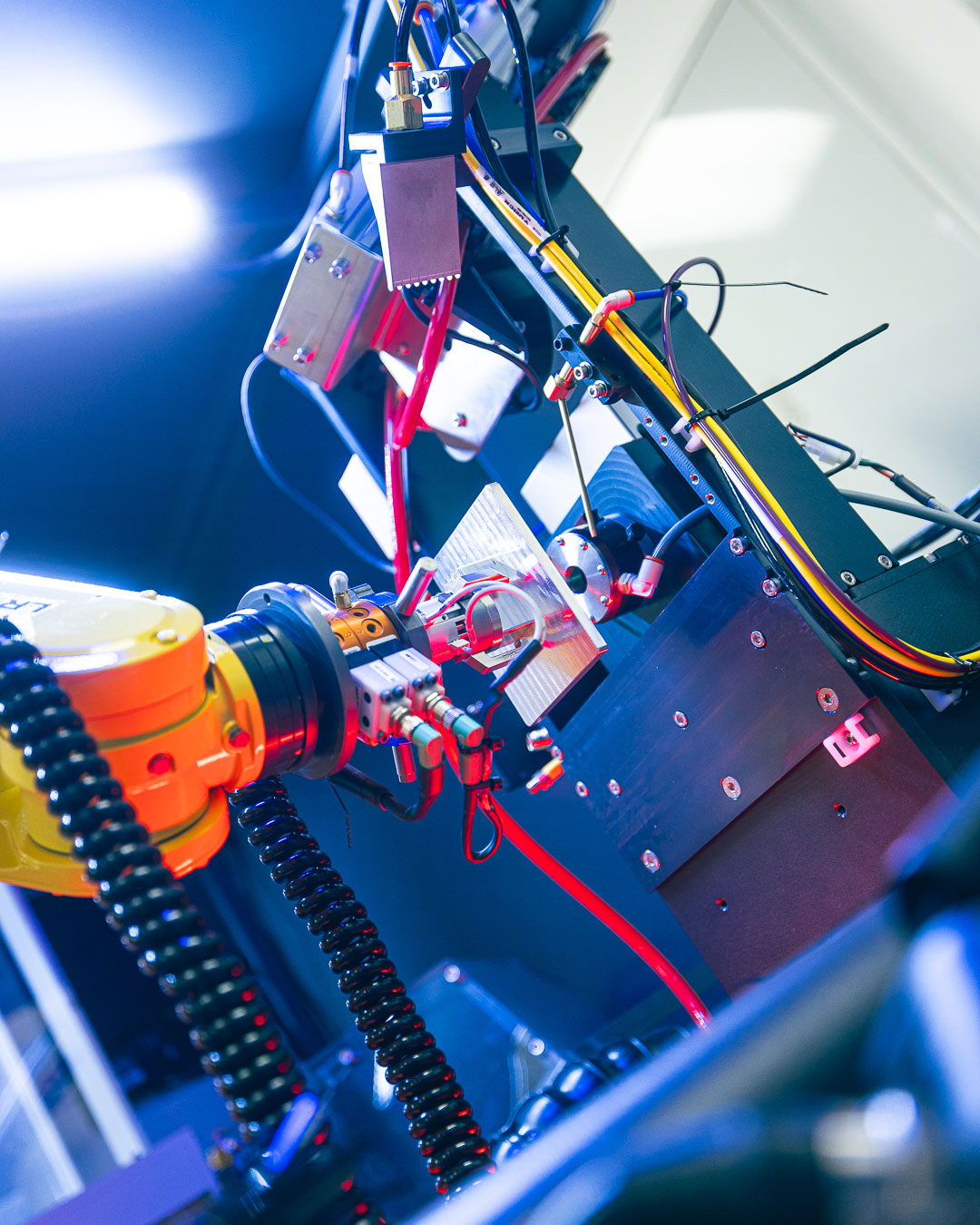
High-end productions create the foundation of a brand’s media presence.
These are the types of projects that deserve extra attention:
- Brand story videos
- Homepage hero videos
- Product launch videos
- Trade show recaps
- Customer testimonials
- Commercial-style social media campaigns
This type of content is designed to make people stop scrolling and pay attention. It creates emotion, builds trust, and helps businesses stand out in crowded industries.
Especially in manufacturing, industrial, technical, and service-based industries where many companies still rely on outdated visuals and generic marketing content.
A strong cinematic video can instantly improve how a brand is perceived.
But cinematic content is only one part of a modern content strategy.
Real-World Content Matters Too
Not every video needs dramatic camera movements and perfect lighting setups.
Sometimes the most valuable content comes from the normal workday itself.
- A quick cell phone clip from the shop floor
- A project update from the owner
- Behind-the-scenes footage from an install
- A technician explaining a process
- Timelapse of building or servicing a product
- Hawaiian Shirt Wednesdays at the office
- A simple VLOG-style walkthrough
That kind of content feels authentic because it’s real.
People connect with businesses that feel real.
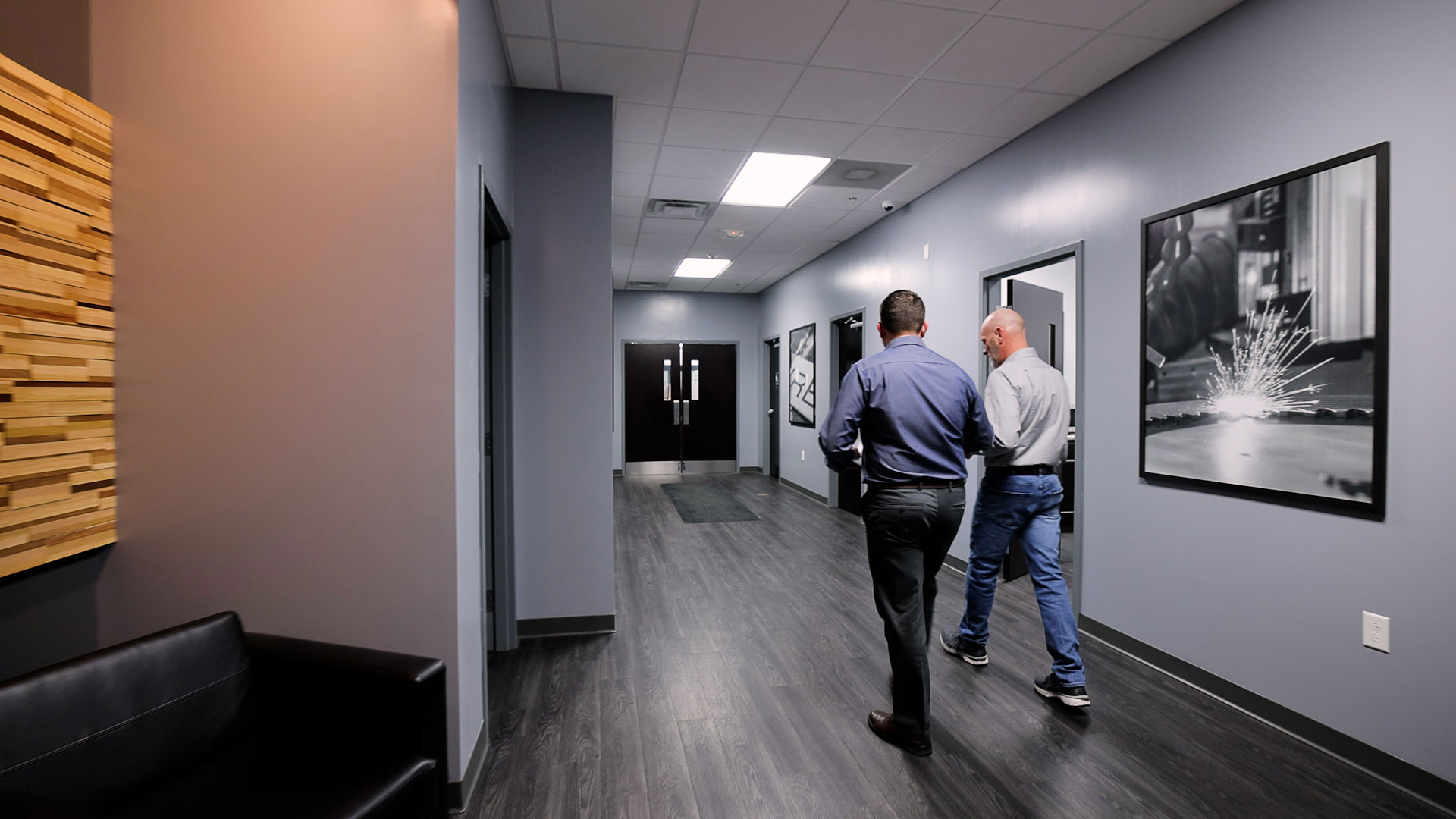
Modern audiences are used to seeing a mix of content styles across social media, websites, YouTube, and email marketing. If everything feels overly polished all the time, it can actually become less relatable.
That’s why I like mixing cinematic visuals with more grounded, real-world footage.
It creates balance.
That balance between polished production and authentic everyday content also changes how I approach filming itself.
You Don’t Always Need a Film Crew to Create Valuable Content
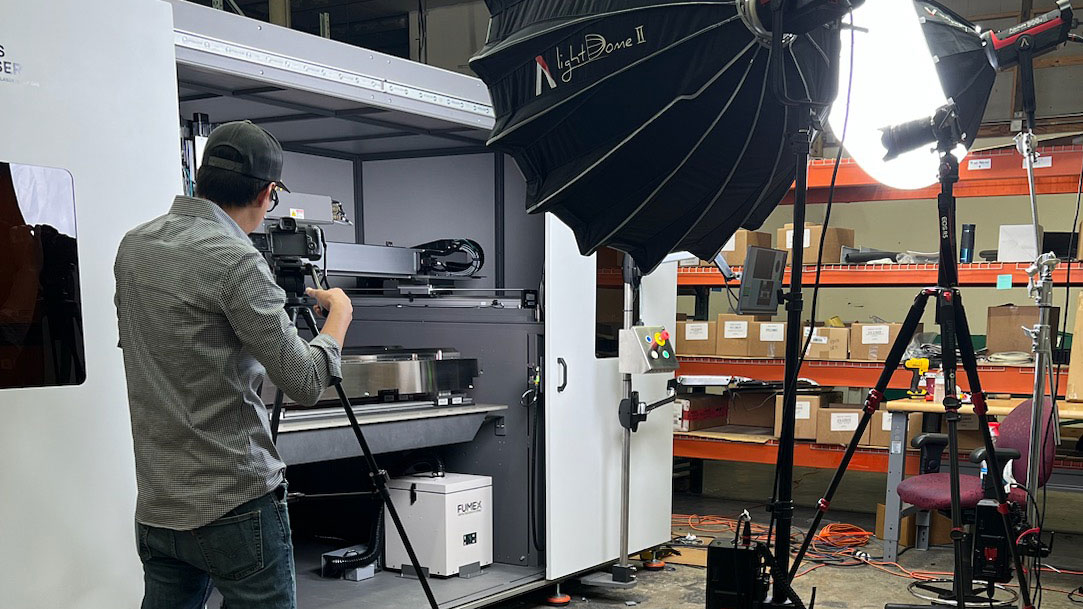
One thing I’ve learned over the years is that great content doesn’t always require a massive production setup.
There’s definitely a time and place for larger productions, full lighting setups, and carefully planned shoots. But a lot of modern business content moves fast. Sometimes you need to stay lightweight, adaptable, and ready to capture moments as they happen.
That’s a big part of how I approach video production.
I’ve built my gear setup around being efficient and mobile while still delivering high-quality visuals. I rely heavily on tools I know extremely well, especially my Canon R5 Mark II system and Canon’s autofocus capabilities. I trust the camera to perform so I can focus more on framing, movement, storytelling, and capturing real moments instead of babysitting equipment.
A lot of production crews overload themselves with external monitors, oversized rigs, and setups that slow everything down. That works for certain productions, but many business shoots benefit from a leaner approach.
There’s also this idea in the creative industry that more gear automatically means higher quality work. Bigger rigs can definitely create a stronger visual impression during a shoot, but that doesn’t always translate into better storytelling or better final content.
For me, it comes down to knowing my equipment extremely well and understanding how to work efficiently in real-world environments.
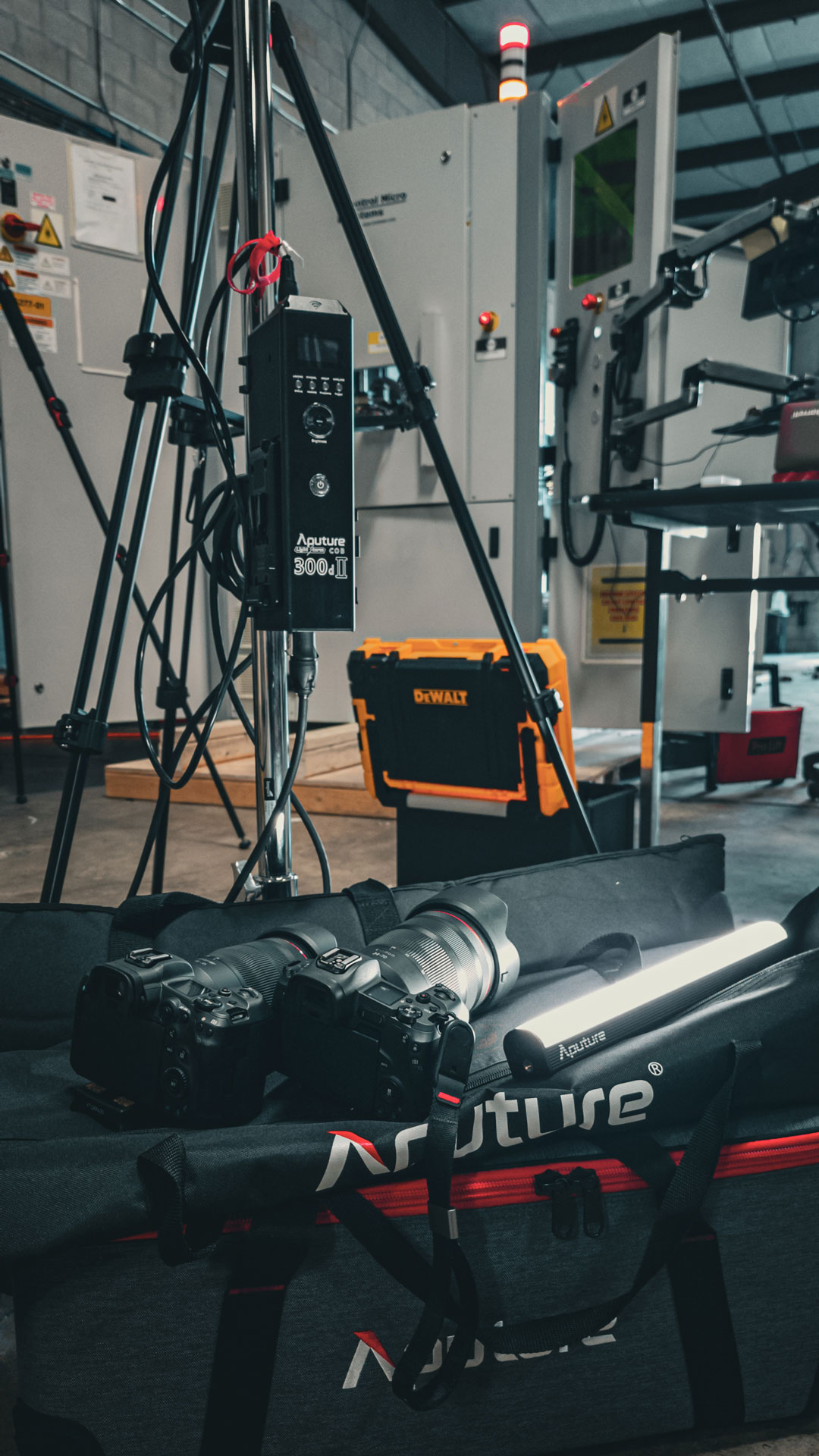
I may eventually incorporate tools like a matte box into certain setups, but I’ve intentionally kept my production style lightweight and flexible because it allows me to move faster and stay focused on capturing moments naturally.
My footage still looks polished because the quality comes from experience, lighting awareness, composition, camera movement, color grading, and understanding how to shape a final image in post-production.
I also intentionally use tools like Glimmerglass filters because I like some of the natural bloom, softer highlights, and occasional light leaks they create. Sometimes imperfections and atmosphere add more emotion and character to footage than an overly clinical setup.
Sometimes the best footage comes from moving quickly and staying flexible.
I use natural lighting whenever possible to keep footage feeling authentic and grounded, while still carrying professional lighting equipment when the situation calls for it. Depending on the environment, I can move between lightweight run-and-gun filming and more controlled cinematic setups.
Every project is different.
For faster-paced shoots, there usually isn’t time to stop and fully build out lighting scenes. That’s where experience matters. Understanding composition, movement, exposure, autofocus behavior, and shooting in formats like Canon C-Log allows me to maintain flexibility while still delivering polished results in post-production.
That lean production approach also helps businesses.
Because my overhead stays low, clients aren’t paying for unnecessary crew members or oversized productions when they don’t need them. The focus stays on creating strong content efficiently while still maintaining a high production standard.
Some editing and content publishing tasks may eventually be outsourced as projects scale, but the creative direction, visual style, and overall quality control remain a major part of the Fryvisuals approach.
Editing Is Where the Real Value Happens
A lot of businesses already have content sitting on phones, hard drives, Dropbox folders, or old project archives.
The problem usually isn’t capturing content.
The problem is turning it into something useful.
That’s where editing and strategy come into play.
Good editing is more than cutting clips together. It’s understanding:
- pacing
- storytelling
- music selection
- hooks
- captions
- platform formatting
- brand consistency
- how to hold attention
A quick phone clip can become a strong social media post with the right edit behind it.
A long interview can become multiple short-form videos.
One project shoot can turn into weeks of content when it’s approached strategically.
That’s a big part of how I think about content creation.
Businesses Already Have More Content Than They Realize
One thing I’ve noticed is that most companies are already capturing valuable moments without realizing it.
They have:
- phone footage from job sites
- employee clips
- customer installs
- trade show videos
- behind-the-scenes moments
- and product footage sitting unused
Most of it never gets touched because nobody has time to organize it, edit it, or turn it into consistent marketing content.
That’s where having a media partner helps.
Instead of letting footage sit unused, it can be transformed into social media content, website assets, YouTube videos, reels, shorts, and ongoing brand content.
The Best Marketing Systems Use Both
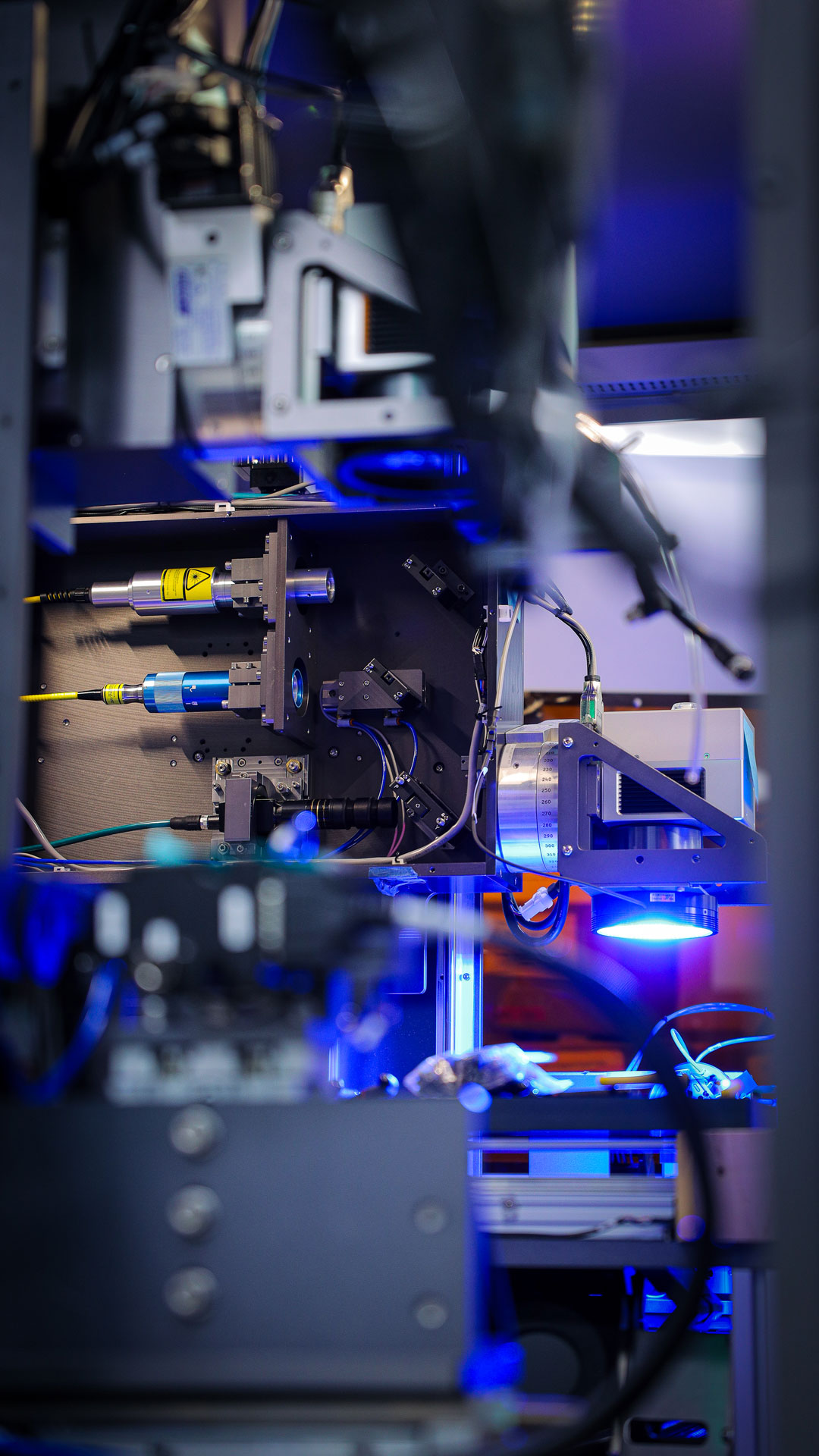
Some projects deserve full cinematic production.
Others simply need consistency, authenticity, and strong editing.
The strongest brands today use both.
They combine high-end cornerstone content with ongoing everyday media that keeps their business active, visible, and connected to their audience.
That’s the approach I take with Fryvisuals.
Whether it’s a polished cinematic brand film, edited social media content from supplied footage, or building a long-term content system for a business, the goal stays the same:
Create media that actually helps businesses grow.

Leave a Reply